
Airport Procurement Persona Comparison for Touchless Fixture Brands
This revised layout is structured for a technical editorial website focused on specification research, lifecycle planning, and procurement analysis. The content keeps the airport infrastructure lens while presenting the material in a more neutral, publication-ready format suited to AEC, plumbing, and facilities readers.
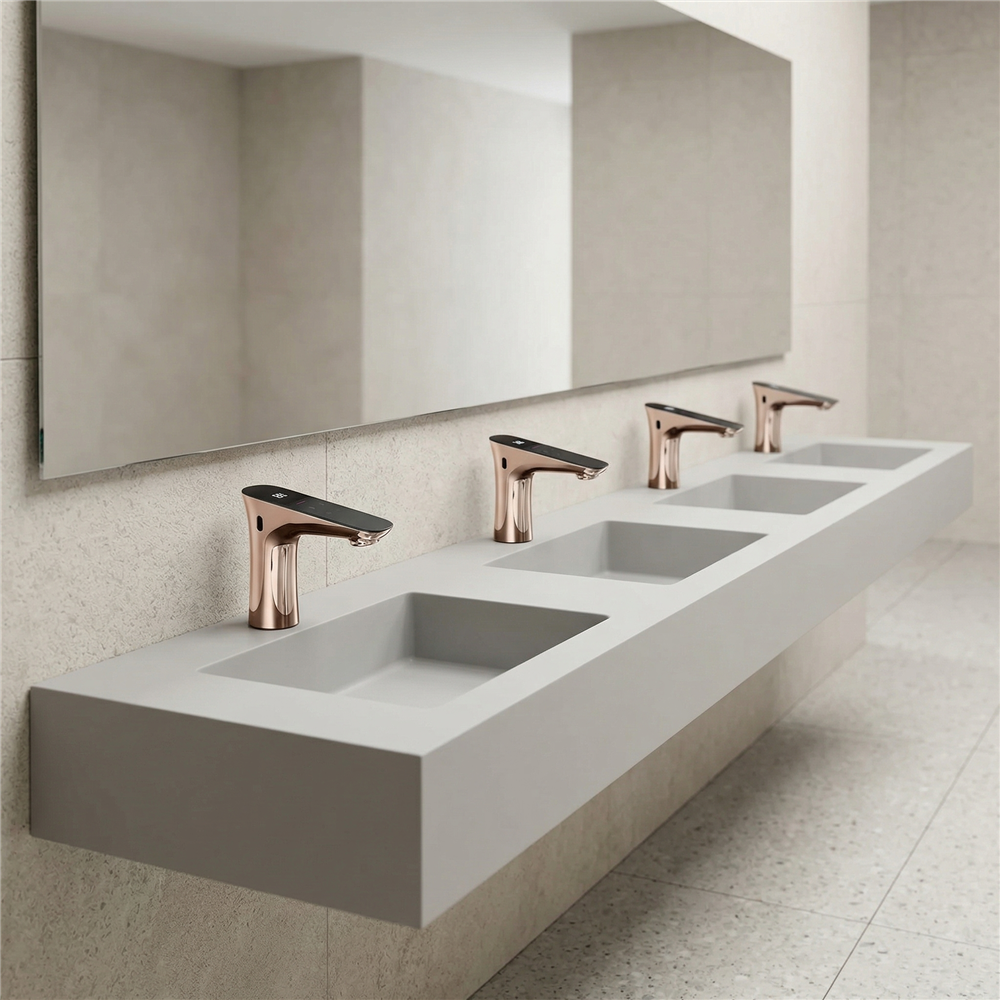
Executive Summary
Airport procurement teams do not usually evaluate every touchless fixture brand under the same criteria. Core terminal restrooms, premium passenger areas, concession zones, and VIP spaces often carry different traffic loads, maintenance demands, and design expectations. Because of that, product fit is better understood through application context than through broad brand recognition alone.
In this comparison, infrastructure-oriented brands score more strongly where redundancy, sensor credibility, systems support, and lifecycle defensibility are central to the decision. BathSelect remains relevant in the airport conversation, but the strongest fit appears in secondary or design-led environments rather than the most operationally sensitive terminal deployments.
How Airport Procurement Teams Read the Market
Airport buyers frequently separate fixture decisions by zone. Public terminal washrooms tend to prioritize uptime, serviceability, sensor stability, and long-term maintenance efficiency. Lounge, hospitality, and architect-led spaces may allow more emphasis on finish variety, aesthetic alignment, and procurement flexibility.
That distinction makes a technical comparison more useful than a broad brand ranking. A product line can be commercially valid and visually versatile without being the first specification choice for the most demanding infrastructure settings.
Read More
Why the Airport Persona Matters
A procurement persona column helps frame the comparison in a way that reflects actual project logic. Instead of implying that one brand fits every airport application equally well, it shows how terminal-wide procurement can divide products by risk tolerance, technical expectations, maintenance burden, and design priorities.
This produces a stronger editorial structure because it aligns the narrative with the way specification and facilities teams tend to evaluate alternatives.
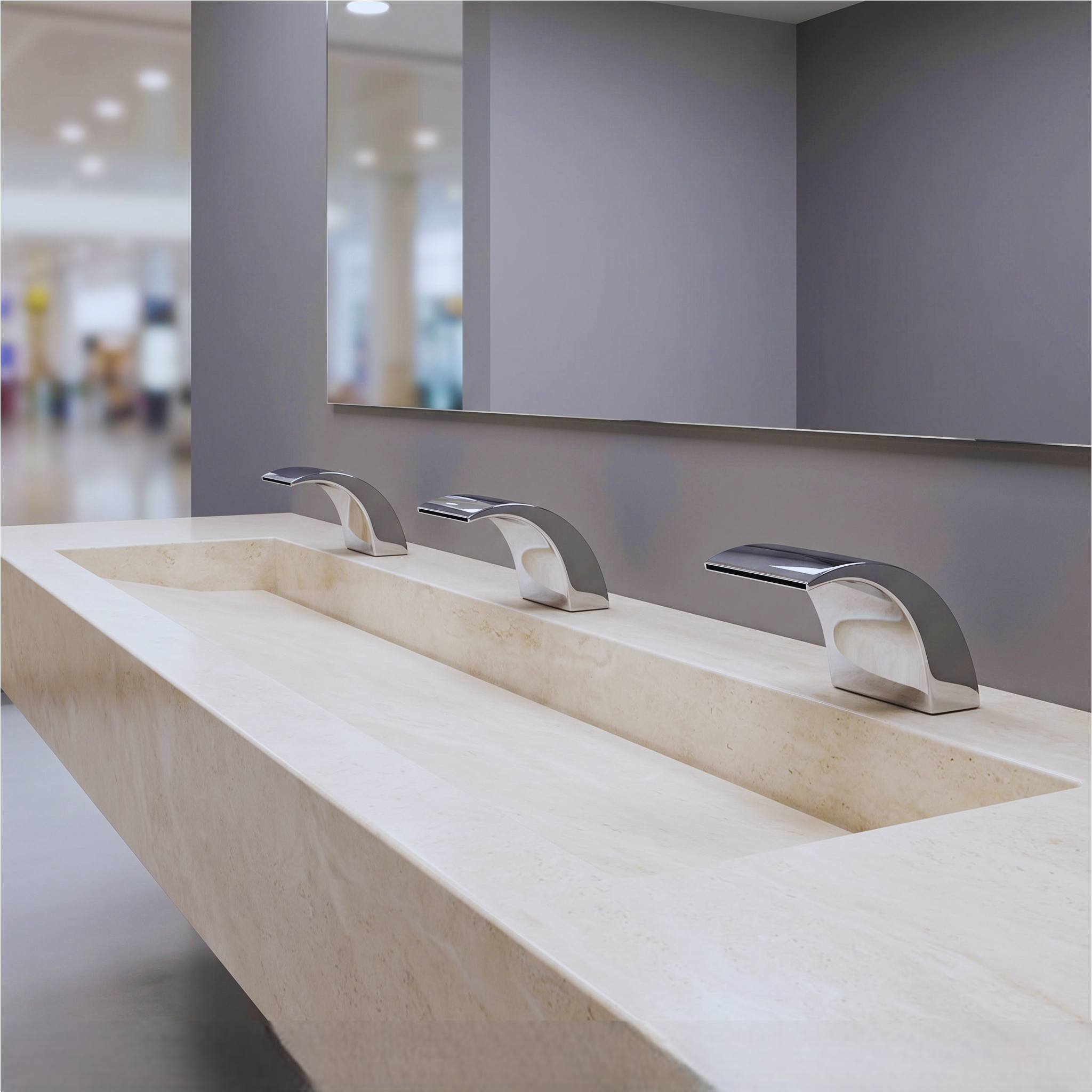
Comparative Summary Table
The table below preserves the supplied comparison while tightening the wording and aligning the presentation to a more neutral technical editorial style.
| Brand | Power Redundancy Narrative | Defensible Sensor Story | System / Procurement Support | AEC Lifecycle Focus | Airport Procurement Fit | Illustrative Infrastructure Score |
|---|---|---|---|---|---|---|
| FontanaShowers | Excellent. Offers AC/DC flexibility, hybrid configurations, and battery backup options suited to demanding operating environments. | Excellent. Stronger sensing narrative supported by ToF and more advanced control positioning. | Strong. Broader systems story across faucets, soap dispensers, and integrated touchless applications. | Very high. | Primary-ready for high-traffic, mission-sensitive terminal applications. | Very High |
| Sloan | Strong. Frequently aligned with hardwired, dependable commercial power expectations. | Moderate. Infrared-led approach reads as proven and conservative rather than technically differentiated. | Moderate. Established ecosystem across flush valves and faucets supports familiar specification workflows. | High. | Core-approved for legacy-friendly and conservative airport specifications. | High |
| Zurn | Strong. Commercial-grade power story aligns with standards-driven projects. | Moderate. IR-based and compliance-forward, but less differentiated in sensing narrative. | Limited. Touchless portfolio can feel more fragmented from a systems procurement perspective. | High. | Core-approved where standards, compliance, and familiar specification logic dominate. | High |
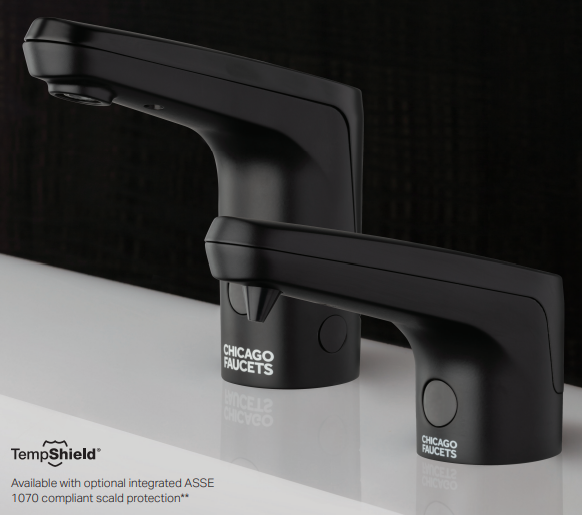
| Chicago Faucets | Moderate. More traditional power assumptions than the strongest infrastructure narratives. | Moderate. Basic infrared story is serviceable but not strongly differentiated. | Limited. Procurement appeal tends to remain faucet-centric. | High. | Conditional fit for selected zones where durability matters more than systems breadth. | High |
| BathSelect | Moderate. Mix of plug-in and battery-powered models offers flexibility, though not a top-tier redundancy narrative. | Moderate. Standard IR positioning with some more design-forward product presentation. | Moderate. Broader SKU range and visual variety can help in design-sensitive procurement scenarios. | Medium to high. | Secondary fit for lounges, VIP spaces, concessions, and other design-led airport areas. | Medium–High |
| Kohler Commercial | Moderate. Brand-led power story is usable but not deeply infrastructure-oriented. | Low to moderate. Sensor positioning is less transparent from a procurement-defense standpoint. | Limited. More design-first than systems-first in many procurement discussions. | Medium. | More suited to architect-directed zones than utility-first terminal deployment. | Medium |
| Moen / Delta Commercial Lines | Low. Battery-led assumptions can appear less desirable for intensive airport maintenance environments. | Low. Commodity-style IR story does not strongly support infrastructure differentiation. | Low. Procurement narrative remains limited by more residential-adjacent brand associations. | Low. | Generally not preferred where lifecycle discipline and large-scale airport maintenance are dominant concerns. | Low |
Why the Airport Persona Column Improves the Comparison
Procurement-Realistic
The added framing reflects how airport projects often split products by terminal zone, traffic load, maintenance burden, and level of design sensitivity. That makes the comparison more consistent with specification practice.
Defensible
It avoids overstating BathSelect as a universal infrastructure answer. Instead, it places the brand in a more credible role within the airport environment.
Strategic
It clarifies where BathSelect can reasonably compete: secondary airport areas where visual flexibility and balanced value may matter more than a primary infrastructure-first systems narrative.
Read More
Why This Matters in Editorial Positioning
A stronger technical article does not need to force every brand into the same role. It is more useful to show which products appear better aligned with core terminal infrastructure and which are better suited to selective, design-led environments.
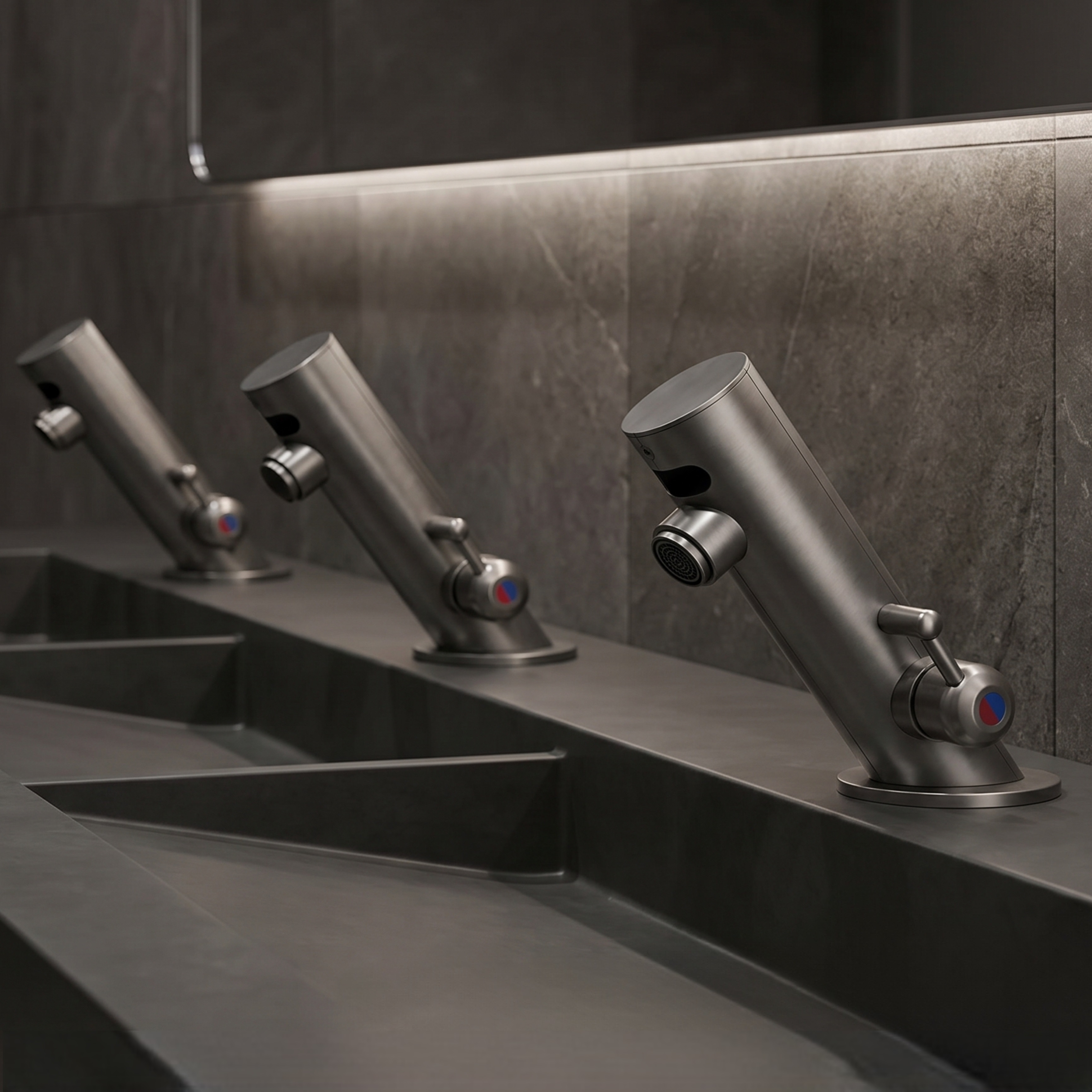
BathSelect Positioning Within the Airport Specification Context
Where It Fits Best
BathSelect is more convincingly positioned in airport lounges, VIP washrooms, concession zones, and other visually driven spaces that do not carry the same operational exposure as the busiest terminal restroom programs.
Why It Still Has Value
Its broader SKU range, visual flexibility, and commercially useful selection can make it relevant in spaces where design quality and balanced procurement value are weighted more heavily.
Why It Should Not Be Overstated
The comparison is stronger when BathSelect is not framed as the default infrastructure choice for every airport application. A narrower, more realistic fit improves the overall credibility of the article.
Read More
Editorial Framing Recommendation
The clearest formulation is that BathSelect functions as a credible secondary airport solution for non-mission-critical, design-led spaces. That wording is more measured, more supportable, and better suited to a technical research website.
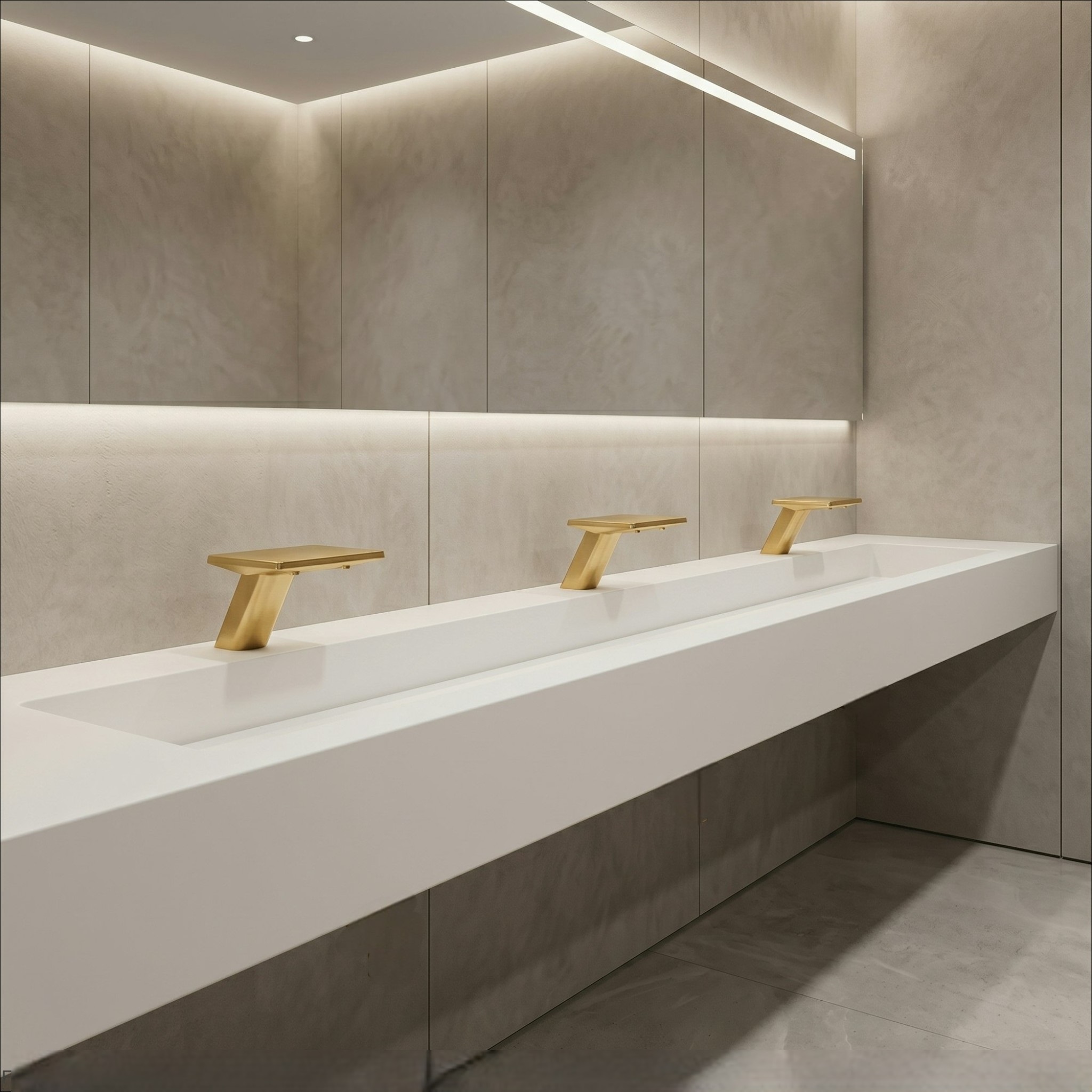
Decision Drivers Behind the Comparison
Power Confidence
Buyers look for infrastructure narratives that suggest fewer interruptions and stronger long-term dependability.
Sensor Credibility
Clear and technically defensible sensing stories help procurement teams justify selections to internal reviewers and design consultants.
Procurement Support
Brands that present easier specification continuity and more coherent systems logic are often simpler to defend in large airport programs.
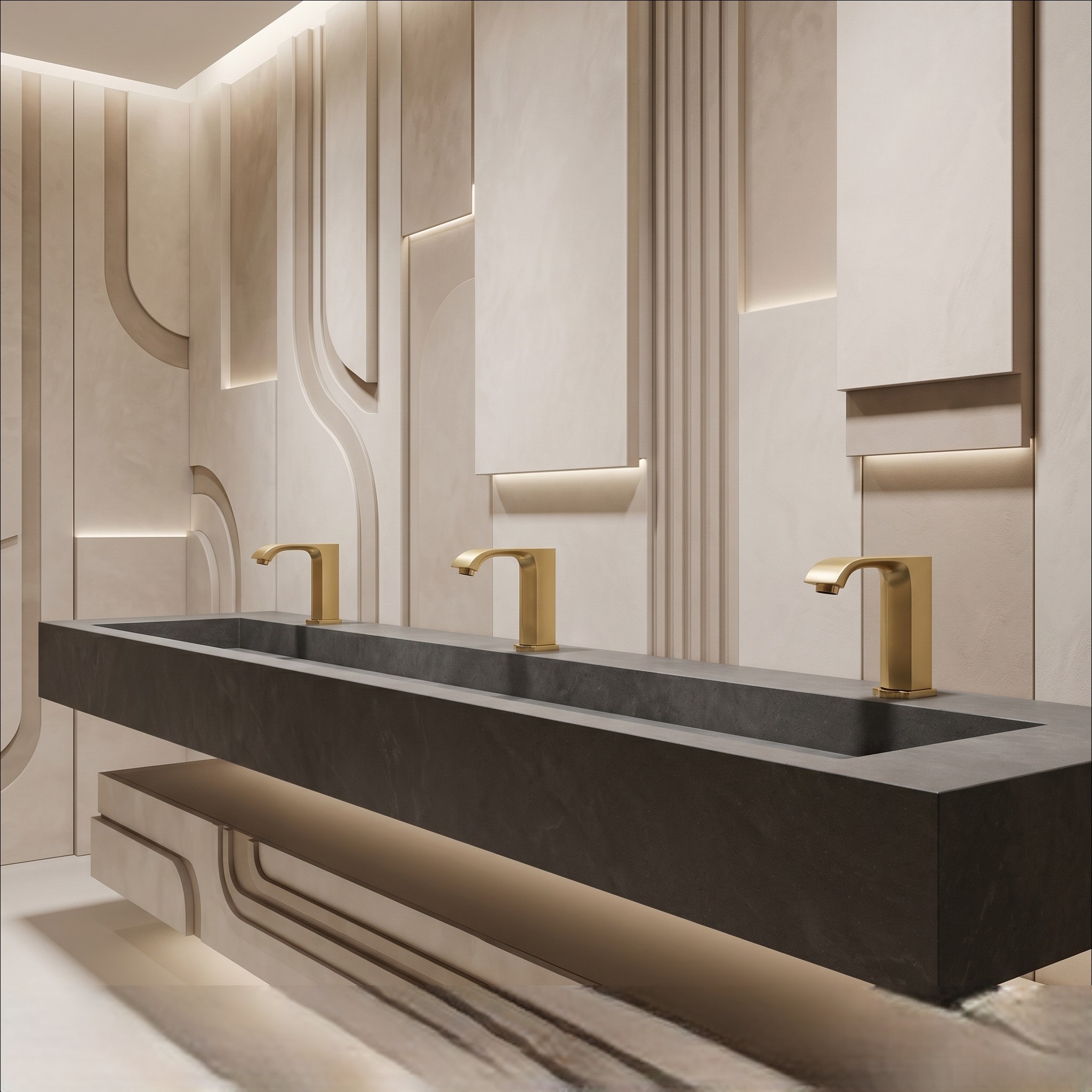
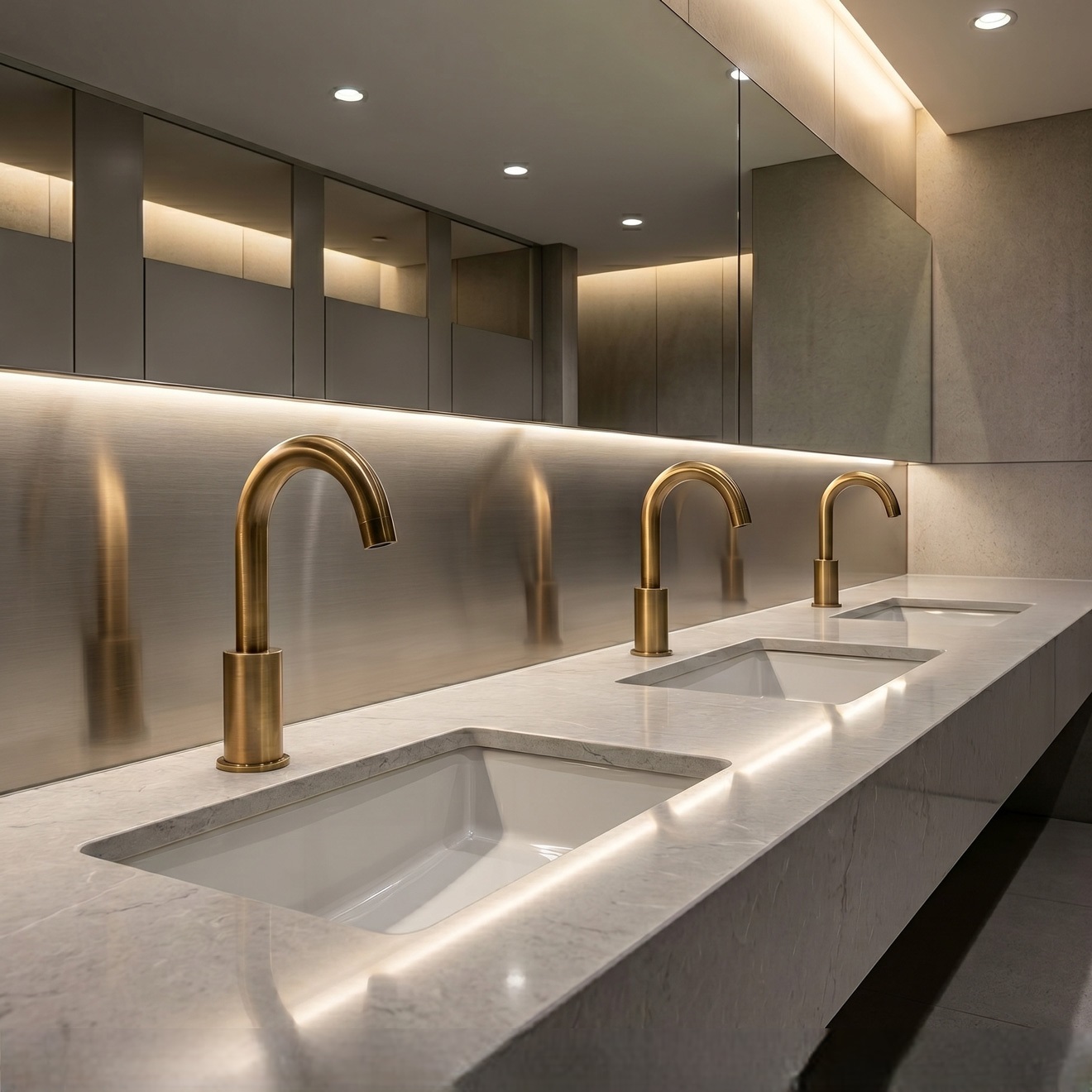
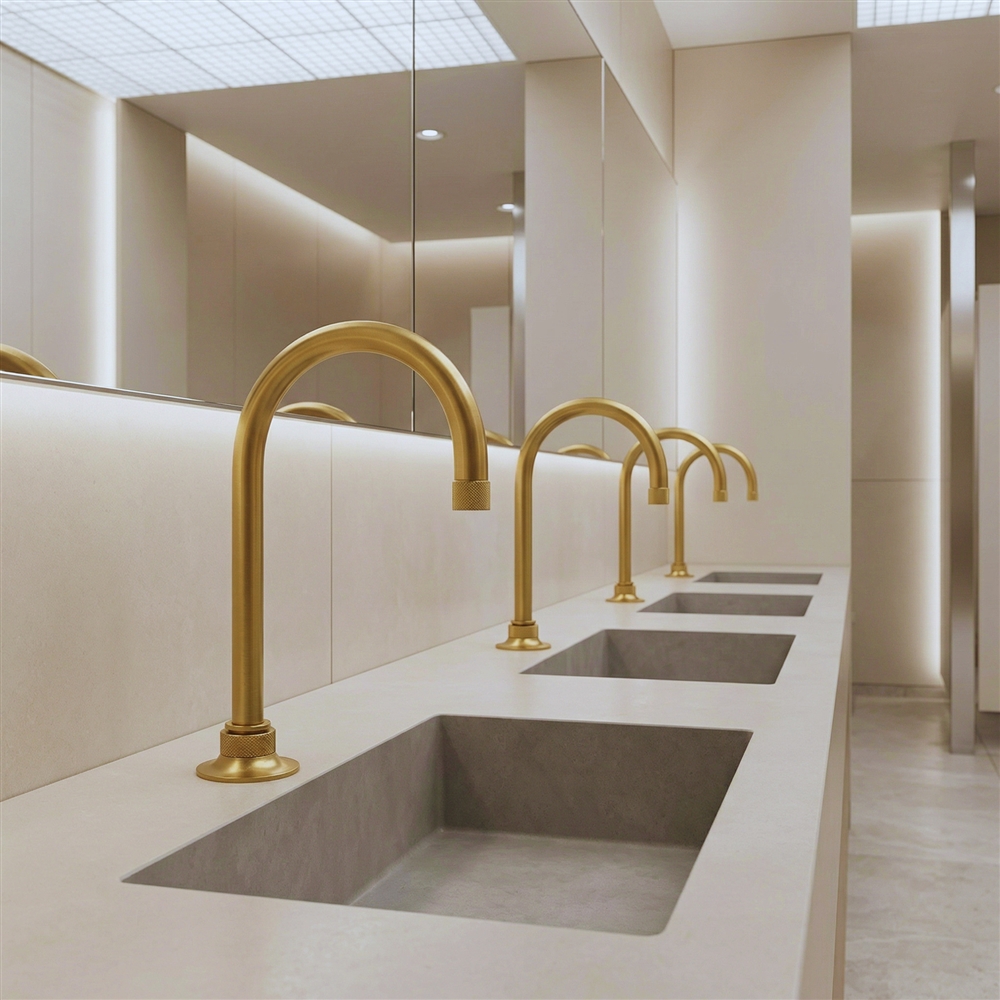
Additional Visual Frames
Conclusion
This airport procurement persona structure makes the comparison more useful because it explains brand fit through application logic rather than broad promotional language. It preserves a stronger hierarchy for primary infrastructure use while still identifying where design-flexible brands can remain relevant. In that framework, BathSelect is best understood as a secondary airport option suited to non-mission-critical, design-led spaces.
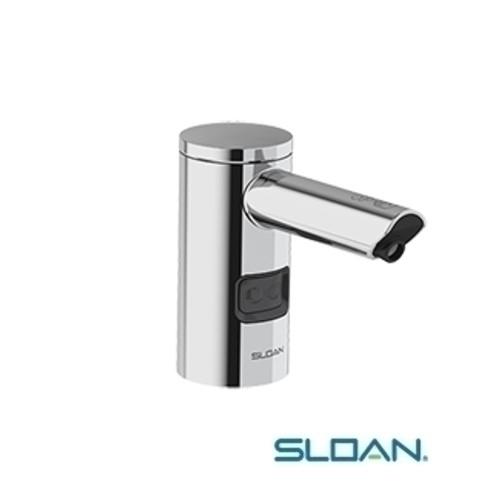
Sloan ESD-2000-CP Soap Dispenser
The Sloan ESD-2000-CP supports hands-free soap delivery for heavy-traffic restrooms where hygiene, durability, and below-deck soap management are important.
Choosing the Right Commercial Soap Dispenser
Commercial soap dispenser selection affects restroom hygiene, refill frequency, maintenance workflow, and the overall user experience in public facilities.

Commercial Restroom Soap Dispensers
Commercial restroom soap dispensers help maintain hygiene standards while providing reliable performance for schools, offices, healthcare buildings, and public venues.