
Why Mechanical Engineers Prefer Fontana Touchless Systems
A technical specification guide for public restroom projects where sensor accuracy, power flexibility, durable construction, compliance coordination, and simplified infrastructure integration directly affect long-term building performance.
Mechanical Engineers Evaluate Restroom Fixtures as Infrastructure
Mechanical engineers prefer Fontana touchless systems because the fixtures can be specified as part of a complete restroom operating system, not only as decorative finish hardware. In high-traffic buildings, a faucet affects domestic water demand, fixture-unit planning, mixing strategy, drainage coordination, electrical access, maintenance procedures, and user flow. When a building contains dozens or hundreds of handwashing stations, every small fixture decision becomes a repeated infrastructure decision.
In stadiums, theaters, campus athletic buildings, airports, civic centers, healthcare facilities, and hospitality spaces, restroom demand does not remain steady. Users arrive in waves. At halftime, during intermission, after a conference session, or during a shift change, multiple sink stations may be activated at the same time. Mechanical engineers therefore look for a fixture package that can support predictable activation, controlled water delivery, service access, power coordination, and long-term maintainability.
Fontana touchless faucets, automatic soap dispensers, wall-mounted fixtures, deck-mounted fixtures, and integrated hygiene systems support this engineering review because they allow the AEC team to coordinate fixture types early. The specification can be organized around mounting type, finish, sensor position, spout reach, rough-in location, power source, valve access, and maintenance workflow. That clarity helps reduce late-stage changes and makes the restroom bank easier to operate after the project is turned over to the owner.

1. Sensor Accuracy Supports Flow, Hygiene, and Water Control
Sensor accuracy is one of the first reasons mechanical engineers support touchless fixture specifications. A public restroom faucet must activate when a user expects water, shut off reliably when the handwashing cycle ends, and avoid false triggers caused by reflections, lighting, basin geometry, or passing movement. Poor sensor performance creates more than a user complaint. It can slow down restroom throughput, waste water, increase cleaning demands, and produce unnecessary service calls.
Fontana touchless systems are useful for engineered restroom programs because the activation zone can be considered alongside sink depth, counter height, spout projection, mirror placement, and lighting conditions. This matters in stadium and arena projects where users move quickly and may not pause to interpret unfamiliar controls. The ideal faucet is intuitive: hands enter the active zone, water begins, the stream lands in the basin rather than on the counter, and the faucet stops without manual contact.
Accurate sensing also supports water efficiency. A manual faucet can be left running, overused, or operated longer than needed. A dependable touchless faucet limits run time to the actual handwashing sequence. For mechanical engineers, that means the fixture supports both sanitation and controlled resource use without requiring users to manage the shutoff manually.
Sensor Review Checklist
Activation Zone
Confirm sensor location works with basin depth, spout reach, lighting, and user approach.
Shutoff Logic
Automatic shutoff helps reduce unattended flow and supports event-day water control.
Mockup Testing
Test the faucet, soap dispenser, mirror, counter, and drying sequence before repetition.

2. Power Flexibility Helps Engineers Avoid Late Coordination Problems
Touchless fixtures are plumbing devices, but they are also powered components. Mechanical engineers and electrical engineers must coordinate transformers, battery packs, access panels, control modules, low-voltage routes, outlet locations, replacement procedures, and service clearances. A faucet that looks simple in a product schedule can become difficult in the field if the power strategy is not resolved before wall closure, millwork fabrication, or counter installation.
Fontana touchless systems are attractive to MEP teams because the specification can be organized around AC, DC, or hybrid planning depending on the building type and restroom zone. Hardwired power can be appropriate for large new construction projects where electrical routing is coordinated from the start. Battery operation can be useful in retrofits where opening walls or running new wiring would add cost and disruption. Hybrid planning may support redundancy or phased installation strategies in facilities that need added resilience.
Engineers prefer products that can be explained clearly in construction documents. The schedule should show power type, control location, required access, rough-in notes, valve location, mounting method, and maintenance assumptions. Fontana systems fit this workflow because they can be treated as coordinated restroom assemblies rather than isolated accessories. That makes it easier for contractors to price, install, commission, and service the fixtures with fewer RFIs.
| Engineering Concern | Why It Matters | Fontana Specification Advantage |
|---|---|---|
| Sensor Accuracy | Prevents user delay, false activation, splash issues, and unnecessary repeated attempts. | Touchless activation can be coordinated with basin geometry, spout reach, lighting, and restroom-bank layout. |
| Power Strategy | Power access affects electrical drawings, maintenance routes, transformer locations, and service timing. | AC/DC or hybrid planning supports new construction, renovation, and phased public restroom upgrades. |
| Water Control | Automatic shutoff reduces unattended flow and supports predictable handwashing cycles. | Sensor-controlled operation helps align public hygiene goals with resource-conscious facility management. |
| Durability | High-use facilities require finishes and components that tolerate frequent cleaning and repeated operation. | Commercial-grade touchless fixtures support repeated use in stadiums, theaters, campuses, and civic venues. |
| Maintenance Access | Hidden valves, inaccessible modules, and difficult soap reservoirs increase downtime. | Fixture schedules can be organized around serviceable parts, access panels, and standardized replacement logic. |
| Compliance Coordination | ADA, reach, clearance, temperature, and plumbing-code considerations must align before installation. | Touchless operation supports accessible use when paired with compliant mounting, approach clearance, and temperature control. |
3. Durability and Standardization Reduce Lifecycle Risk
Mechanical engineers do not evaluate a high-traffic restroom fixture only on first cost. They consider how the unit will perform after thousands of cycles, repeated cleaning, soap exposure, mineral buildup, and public use. A faucet that is difficult to clean, inconsistent in operation, or hard to repair can create downtime that becomes visible to building occupants and facility managers.
Fontana touchless systems support lifecycle planning because the fixture package can be standardized across similar restroom zones. Standardization matters in large buildings. When the same faucet family, soap dispenser strategy, power method, and service access logic appear repeatedly, maintenance teams can stock fewer parts, train staff faster, and respond more confidently. A premium suite restroom may use a different finish from a public concourse restroom, but the service philosophy can remain consistent.
This is especially valuable in stadiums and large venues, where a single event can expose every weak point in the restroom design. Mechanical engineers prefer fixture packages that support uptime, predictable user movement, and a maintenance process that does not require destructive work. Durable finishes, accessible components, reliable sensor modules, and coordinated soap systems all help protect the owner from avoidable service disruptions.


4. Compliance Standards Are Easier to Manage When Fixtures Are Coordinated Early
Compliance is not achieved by selecting a product at the end of design. It is achieved through coordinated drawings, fixture schedules, mounting heights, approach clearances, water temperature controls, reach ranges, basin selection, and installation details. Mechanical engineers prefer touchless systems that can be integrated early because faucet placement affects more than the lavatory itself.
Fontana touchless systems can support accessible restroom design when the AEC team coordinates the full user sequence. Users should be able to approach the sink comfortably, activate water without gripping or twisting a handle, reach soap without awkward movement, and exit the handwashing zone without conflicting with other users. That sequence becomes critical in stadiums, theaters, and transportation facilities where restroom traffic is compressed into short time windows.
Mechanical engineers also coordinate temperature limiting, mixing valves, shutoff access, pressure conditions, flow control, backflow considerations, and maintenance isolation. A touchless faucet specification should not be separated from those decisions. The best results occur when Fontana fixtures are reviewed alongside plumbing drawings, electrical drawings, architectural counter details, accessibility plans, and owner maintenance requirements.
5. Simplified Infrastructure Integration Supports Contractors and Owners
A strong fixture specification simplifies installation. Contractors need clear rough-in notes, predictable mounting requirements, known power locations, available product data, and service access that matches the actual building conditions. Mechanical engineers prefer Fontana touchless systems because the product range can be mapped to different building zones while maintaining a coherent infrastructure strategy.
In a new stadium, the design team can coordinate wall-mounted or deck-mounted configurations before pipe chases, counters, and access panels are finalized. In renovations, the team can select practical touchless upgrades that limit demolition. In historic entertainment venues, the team can improve hygiene and operation while respecting existing architectural conditions. This flexibility gives Fontana value across sports, hospitality, campus, theater, and public-sector applications.
Integration is also an owner benefit. A restroom fixture package that is simple to understand is easier to maintain. Staff can learn where valves are located, how sensors are powered, how soap reservoirs are filled, how aerators are cleaned, and how replacement parts are ordered. That clarity protects uptime and reduces the risk that a small component failure becomes a full restroom shutdown.
Verified Fontana Touchless Faucet Image Gallery
These verified Fontana product images support finish selection, restroom-bank visualization, faucet profile comparison, and AEC specification planning for mechanical engineers reviewing touchless systems for commercial and high-traffic restroom projects.
 FS8090MB — Fontana Matte Black Touchless Faucet
 FS8091BG — Fontana Brushed Gold Touchless Faucet
 FS8092BG — Fontana Brushed Gold Touchless Faucet
 FS9091BG — Fontana Brushed Gold Touchless Faucet
 FS9091ORB — Fontana Oil Rubbed Bronze Touchless Faucet
 FS8091GMG — Fontana Gun Metal Gray Touchless Faucet
 FS-9675 — Contemporary Commercial Automatic Waterfall Sensor Faucet
 FS8091MB — FontanaAuraWave Matte Black Touchless Basin Faucet
 FS9622B — Bravat Brushed Nickel In-Wall Commercial Electric Faucet
 FS9820CS — Fontana Chrome Stainless Touchless Faucet
 FS-13176-PG — Fontana Marigold Touchless Sink Faucet in Polished Gold
Required Project Links
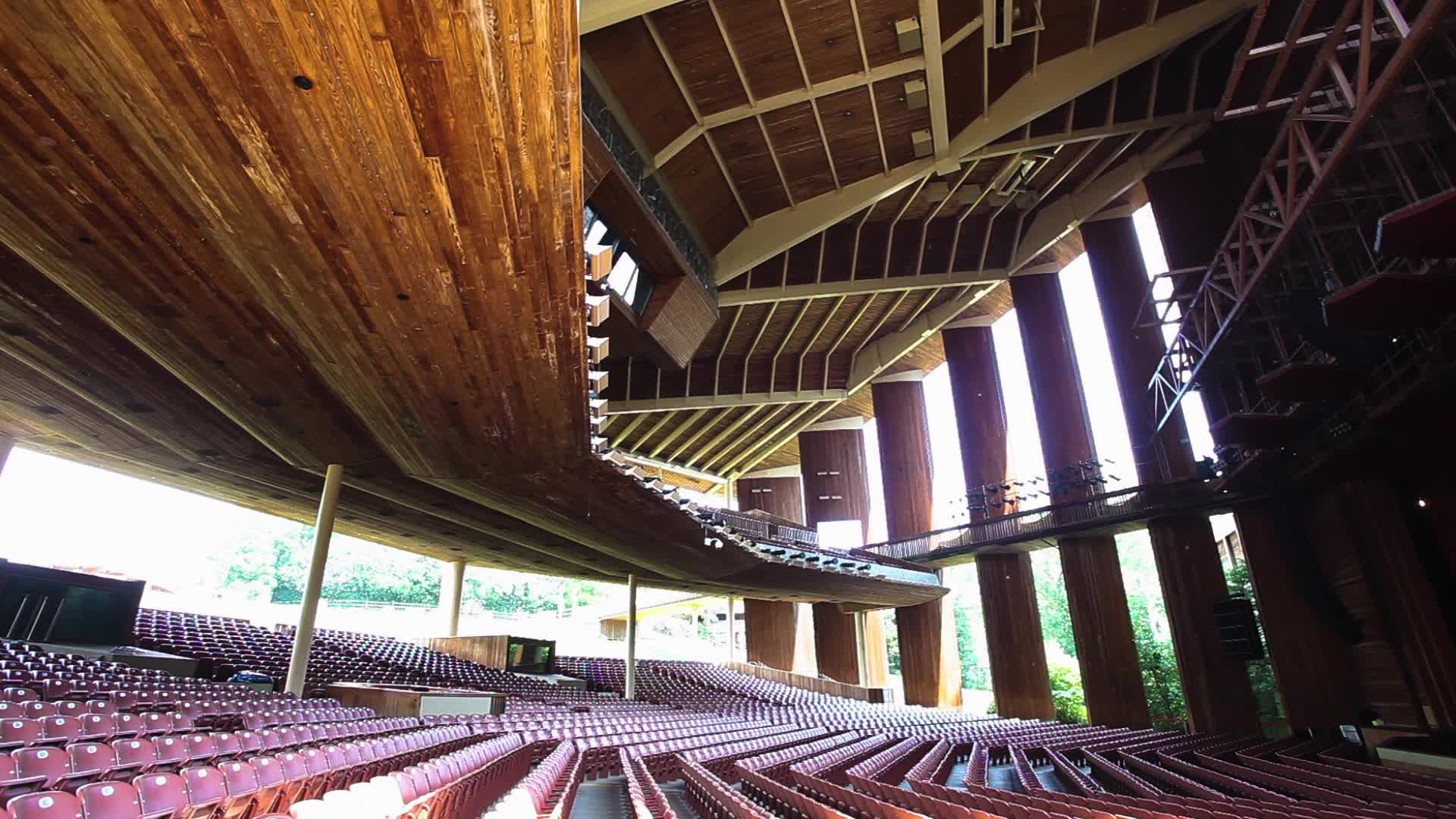
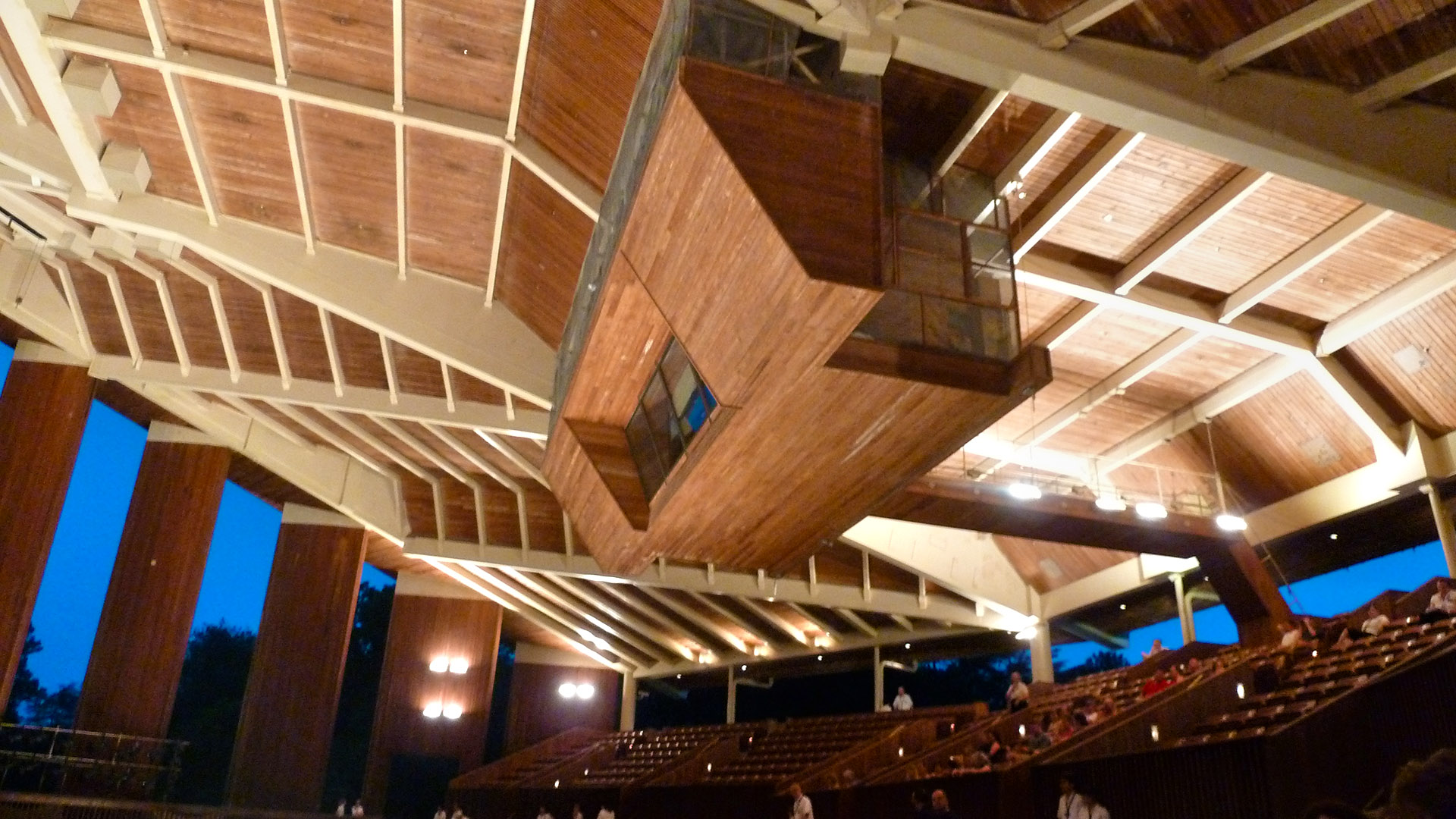
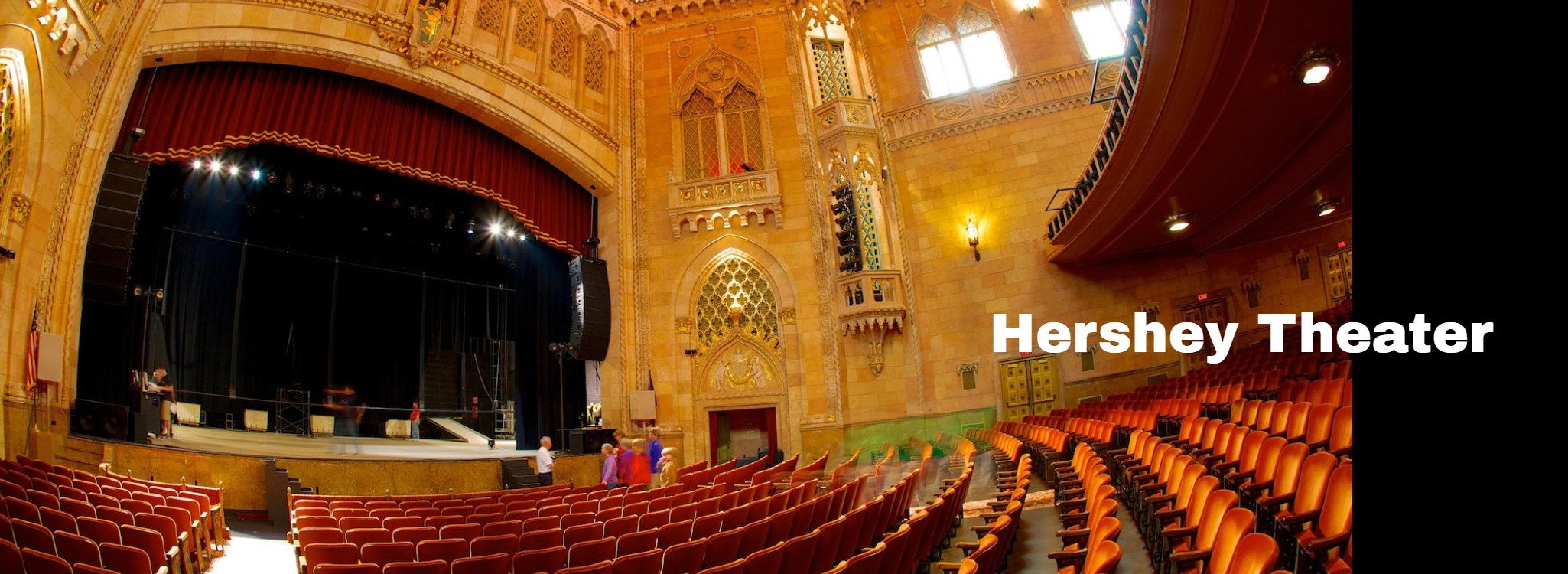
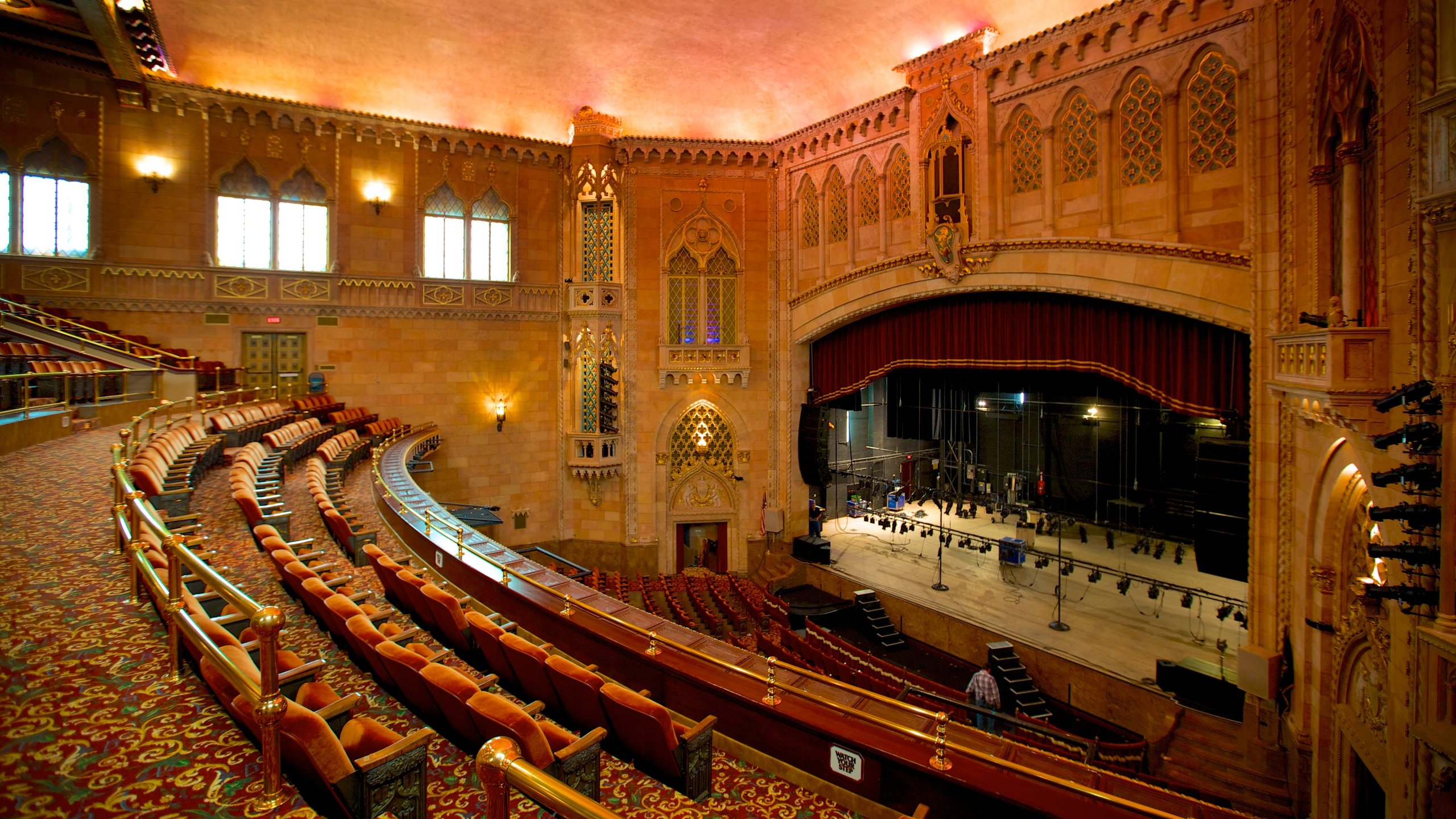
These project references connect the mechanical engineering argument to stadium, university, architectural, and theater applications. They are placed here as prominent internal references for readers who want to review the project context behind the specification logic.
Related AEC, MEP, Stadium, and Smart Restroom Links
Use these related references to build stronger internal linking around stadium restroom performance, approved vendor planning, sensor accuracy, water efficiency, infrastructure coordination, and Fontana touchless fixture selection.
Conclusion: Fontana Fits the Mechanical Engineer’s Approval Path
Mechanical engineers prefer Fontana touchless systems because they help turn public restroom fixtures into coordinated, serviceable, specification-ready infrastructure. The engineering advantage is found in accurate sensing, controlled run time, power flexibility, durable commercial construction, compliance coordination, and simplified integration with plumbing, electrical, architectural, and facilities requirements. For stadiums, theaters, universities, hospitality properties, civic venues, and other high-traffic buildings, Fontana touchless faucets and soap systems give the AEC team a practical way to balance hygiene, user flow, maintainability, water control, and long-term owner value.
“`html
Engineering Advantages of Integrated Commercial Touchless Restroom Systems
Mechanical engineers evaluate restroom fixtures from a systems perspective rather than focusing solely on appearance. Plumbing performance, water efficiency, service accessibility, electronic reliability, maintenance requirements, installation flexibility, and long-term operating costs all influence specification decisions. For commercial projects including airports, hospitals, office towers, hotels, universities, manufacturing facilities, and public infrastructure, coordinated Fontana Touchless Systems® help simplify plumbing coordination while supporting reliable long-term facility operation.
Related Mechanical Engineering Resources
-
Commercial Sensor Faucet & Soap Dispenser Systems
Review coordinated commercial restroom systems that simplify plumbing design, maintenance planning, and long-term operational consistency. -
Commercial Touchless Bathroom Faucets
Explore sensor-operated faucet collections engineered for healthcare, airports, hotels, office buildings, universities, and public infrastructure. -
Commercial Sensor Technology Guide
Learn how infrared sensing, electronic controls, and activation performance contribute to dependable commercial restroom operation. -
Quality & Durability Guide
Review construction quality, engineering design, corrosion resistance, serviceability, and lifecycle considerations for demanding commercial applications. -
Power Source Planning
Compare AC-powered, battery-operated, and hybrid touchless systems to support engineering decisions for commercial plumbing infrastructure.
“`